Posted by Allan Brito on July 29th, 2011 ~
4 Comments
After a really long week I got some time to create a quick tutorial about how to use the Bevel Modifier in Blender, to chamfer edges for architectural modeling. This is an important detail to add realism to walls and furniture. The trick is quite simple, and consists on use…
Posted by Allan Brito on July 21st, 2011 ~
2 Comments
Which unbiased render engine is the best to use with Blender? This is a question I often receive on the contact form of the blog. To answer this kind of question, nothing better than try yourself some of the renderers or take a look on some quick comparisons between all…
Posted by Allan Brito on July 20th, 2011 ~
0 Comments
There are a lot of projects in development as part of the google summer of code 2011, and some of those projects may help architectural visualization artists. From all those projects I have a special interest on two related with improvements for UV mapping and UV editing. I just found…
Posted by Allan Brito on July 18th, 2011 ~
2 Comments
An artist must find the best way to place his scene in front of a camera, and pick the best framing to render your project. And a great reference to create a good framing for a scene comes from photography, like the rule of thirds. This is a way to…
Posted by Allan Brito on July 14th, 2011 ~
2 Comments
Even with the growing number of renderers showing up every week, and with support for Blender like NOX Render, which as commented here on the blog this week, all Blender users are really expecting a lot from Cycles. The new Blender renderer called Cycles is about to get a major…
Posted by Allan Brito on July 12th, 2011 ~
4 Comments
A new render called NOX was announced a few days ago and the company behind it is Evermotion, a well-known portal dedicated to architectural visualization based mostly in 3ds Max and V-Ray. Their renderer NOX is an unbiased render engine that can create realistic images based on the metropolis Light…
Posted by Allan Brito on July 11th, 2011 ~
3 Comments
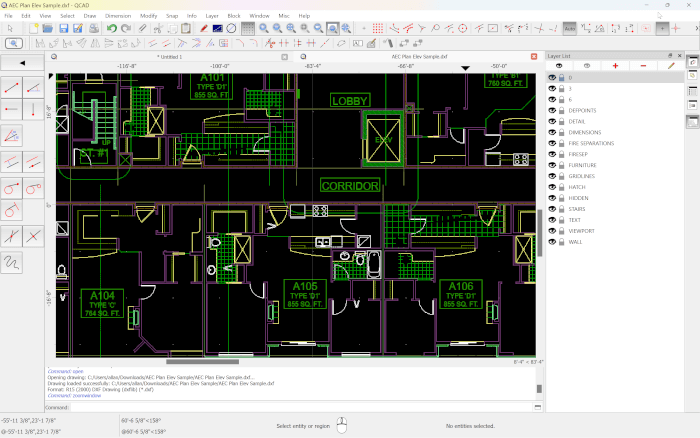
The most common way to start an architectural visualization project is to get started from a CAD file, and import it to the 3d software and work to add materials and lights. But, what if you had to do the opposite way and export an 3d mesh from Blender to…
Posted by Allan Brito on July 7th, 2011 ~
3 Comments
It is always nice to watch some modeling tutorials made with other 3d softwares, but that can be used in Blender. And almost any tutorial that uses polygon based 3d modeling can be used with Blender, depending only on the efforts of the artist to adapt the technique. In the…